Third Wave Coffee Revolution
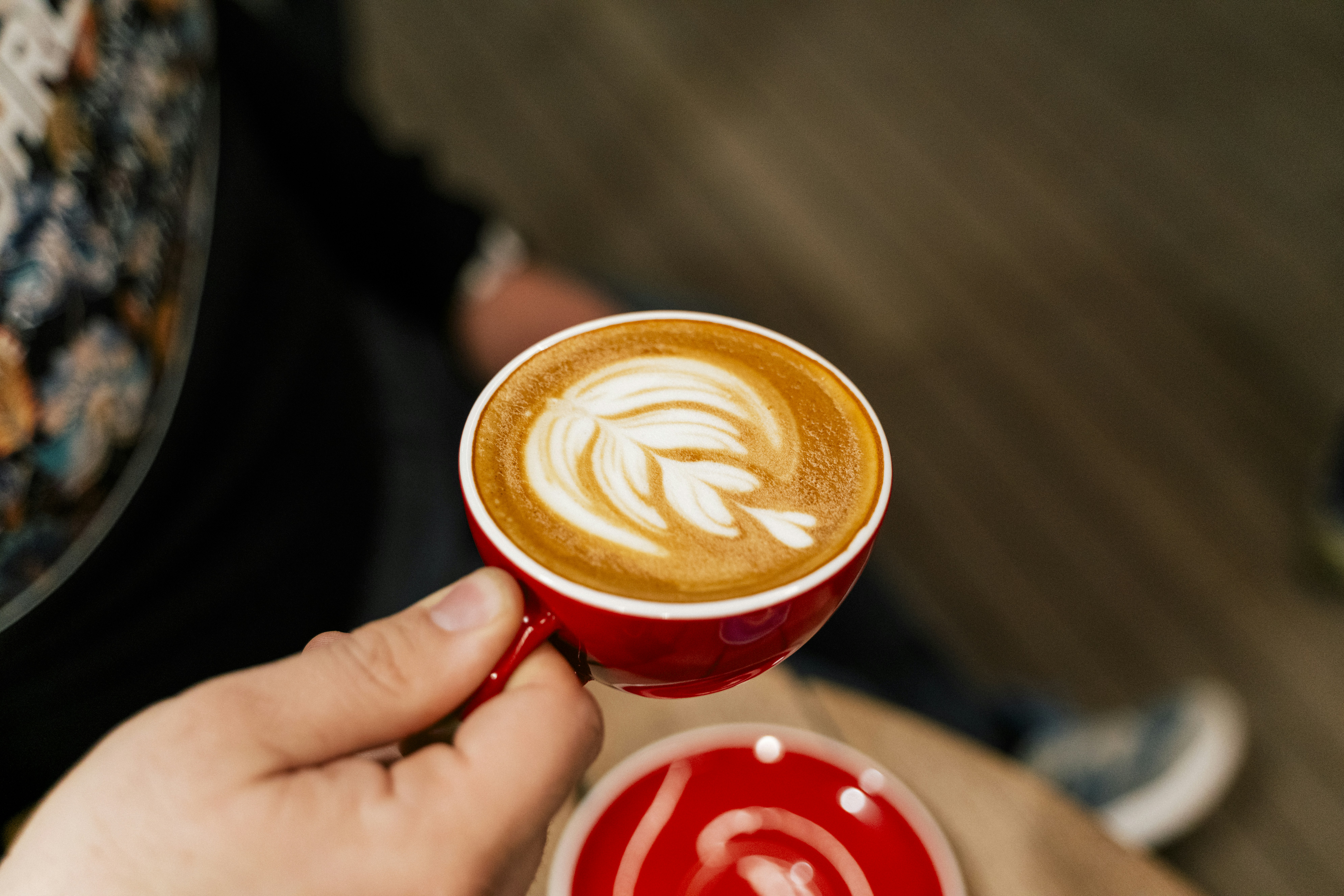
The Third Wave Coffee movement represents a fundamental shift in how we understand, appreciate, and consume coffee. Moving beyond the commodity-focused second wave and the mass-market first wave, third wave coffee treats coffee as an artisanal product, similar to wine or craft beer, where origin, processing methods, and brewing techniques all contribute to a complex and nuanced flavor profile.
Understanding the Waves
To fully appreciate third wave coffee, one must understand its evolution. The first wave brought coffee to the masses, prioritizing convenience and consistency. The second wave, epitomized by chains like Starbucks, introduced consumers to espresso-based drinks and the concept of coffee as an experience. The third wave, however, elevates coffee to an art form, emphasizing transparency, traceability, and the celebration of coffee's inherent diversity.
Third wave coffee roasters and cafes focus on direct trade relationships with farmers, ensuring fair compensation while obtaining the highest quality beans. This approach not only benefits producers but also allows roasters to access unique varietals and processing methods that were previously unavailable to the specialty market.
Single-Origin Excellence
At the heart of third wave coffee is the concept of single-origin beans—coffee sourced from a specific farm, region, or even a particular lot. Unlike blends, which aim for consistency, single-origin coffees showcase the unique characteristics imparted by terroir: the combination of soil, climate, altitude, and processing methods that create distinctive flavor profiles.
During our exploration, we sampled coffees from Ethiopia's Yirgacheffe region, known for its floral and citrus notes; Colombian beans from Huila, offering balanced sweetness and nutty undertones; and Kenyan coffees from Nyeri, celebrated for their bright acidity and berry-like complexity. Each origin tells a story, and third wave coffee culture encourages drinkers to appreciate these narratives.
Innovative Brewing Methods
Third wave coffee embraces a variety of brewing methods, each designed to extract different aspects of the coffee's flavor profile. The pour-over method, using devices like the Hario V60 or Chemex, allows for precise control over water temperature, flow rate, and extraction time. This method highlights the coffee's delicate aromatics and clarity.
The AeroPress, a relatively recent innovation, uses air pressure to create a clean, full-bodied cup in under two minutes. French press brewing emphasizes body and richness, while cold brew methods extract different compounds, resulting in smoother, less acidic profiles. Each method requires skill and understanding, transforming coffee preparation from a routine task into a craft.
The Science of Extraction
Third wave coffee culture is deeply informed by science. Baristas and roasters study extraction theory, understanding how variables like grind size, water temperature, brew time, and coffee-to-water ratio affect the final cup. The goal is optimal extraction—extracting enough soluble compounds to create a balanced, flavorful cup without over-extracting bitter compounds or under-extracting and leaving the coffee sour and weak.
The Specialty Coffee Association's brewing standards provide guidelines, but third wave practitioners often experiment beyond these parameters, developing personal techniques that highlight specific characteristics of the beans they're working with. This scientific approach, combined with artistic sensibility, defines the third wave movement.
Roasting as an Art
Third wave roasters approach their craft with the precision of artisans. Light roasts, once considered underdeveloped, are now celebrated for preserving the unique characteristics of origin. Medium roasts balance origin character with roast development, while dark roasts are used selectively, primarily for espresso or when the roast profile complements the bean's natural qualities.
Roast profiles are carefully developed through cupping sessions, where roasters taste their coffees at various stages to determine the optimal roast level. This process requires both technical skill and sensory acuity, as roasters must balance development time, temperature curves, and the desired flavor profile.
The Cafe Experience
Third wave cafes prioritize education and engagement. Baristas are trained not just to make coffee, but to understand it—able to discuss origin, processing methods, and flavor notes with customers. Many cafes offer cupping sessions, brewing classes, and educational materials that help customers deepen their appreciation.
The atmosphere in these establishments is often minimalist and focused, allowing the coffee to take center stage. Equipment is visible and often impressive—custom-built espresso machines, precision grinders, and an array of brewing devices. The design philosophy reflects the movement's values: quality, transparency, and respect for the craft.
Sustainability and Ethics
The third wave movement is deeply concerned with sustainability and ethical sourcing. Direct trade relationships ensure farmers receive fair prices, often well above commodity market rates. Many third wave roasters work with cooperatives and individual farms to improve growing practices, invest in infrastructure, and support community development.
Environmental considerations are also paramount. Many roasters use renewable energy, implement waste reduction programs, and support organic and shade-grown coffee production. The movement recognizes that exceptional coffee cannot exist without healthy ecosystems and thriving farming communities.
Final Assessment
The Third Wave Coffee Revolution has fundamentally transformed how we understand and appreciate coffee. By treating coffee as an artisanal product worthy of careful consideration, the movement has elevated the entire industry, benefiting farmers, roasters, baristas, and consumers alike.
While the movement may seem esoteric to some, its core principles—quality, transparency, sustainability, and respect for craft—are universally applicable. Whether you're a casual coffee drinker or a dedicated enthusiast, exploring third wave coffee offers an opportunity to discover new flavors, learn about different cultures, and appreciate the skill and dedication that goes into every exceptional cup.