Modern Japanese Kaiseki
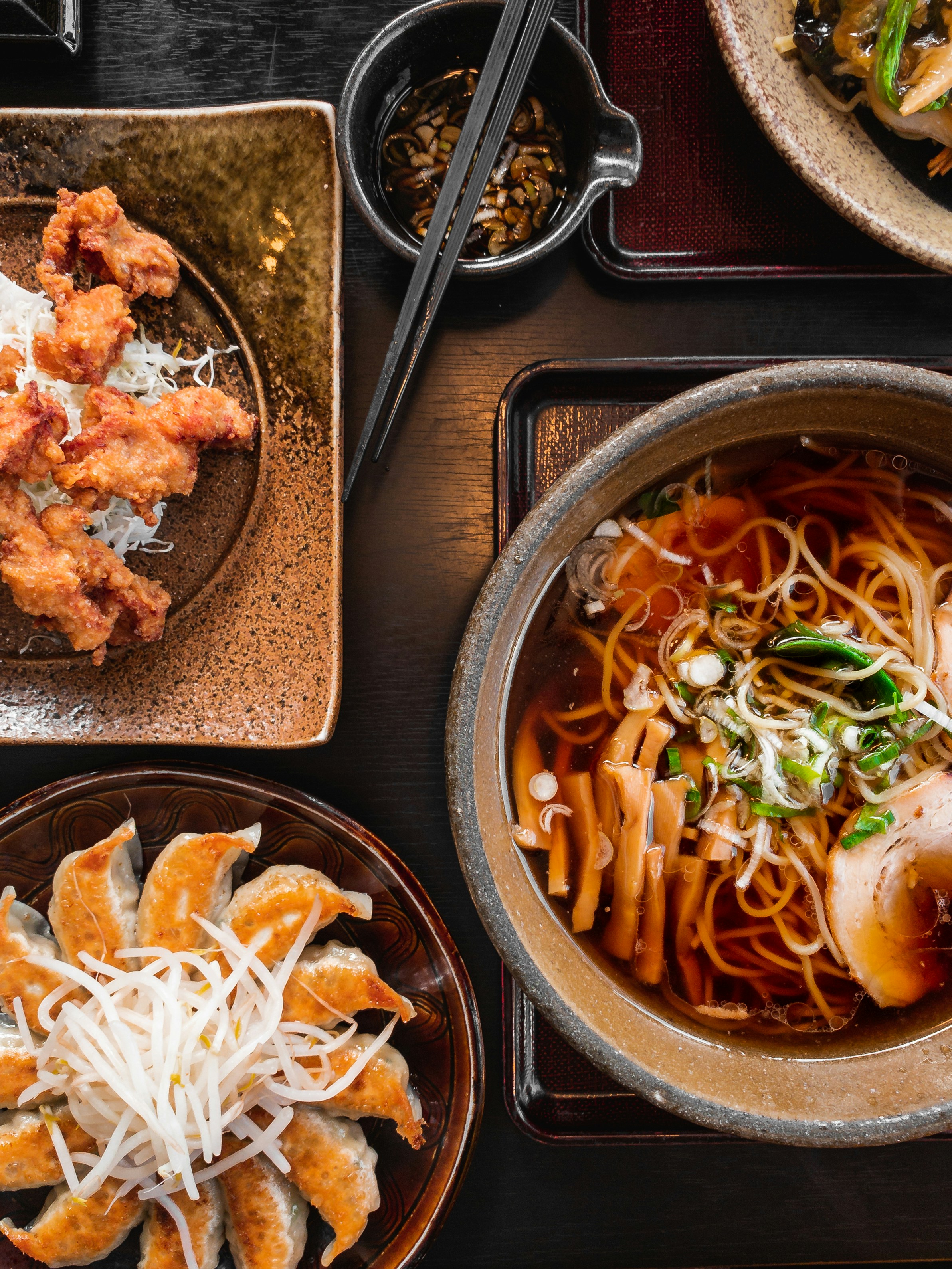
Kaiseki, the pinnacle of Japanese fine dining, represents a culinary philosophy that transcends mere food preparation. It is a multi-course meal that celebrates seasonality, presentation, technique, and the profound connection between nature and cuisine. Modern kaiseki establishments honor these traditions while incorporating contemporary interpretations, creating experiences that are both timeless and innovative.
The Philosophy of Kaiseki
Kaiseki originated from the tea ceremony tradition, where simple meals were served to complement the meditative practice. Over centuries, it evolved into an elaborate dining experience that reflects the seasons, local ingredients, and the chef's artistic vision. The word "kaiseki" itself suggests moderation and balance—qualities that define every aspect of the meal.
Modern kaiseki maintains this philosophical foundation while allowing chefs creative freedom. The structure remains traditional—typically 8-12 courses progressing from light to rich—but contemporary techniques and international influences are incorporated thoughtfully, always respecting the core principles of seasonality and harmony.
Seasonal Ingredients and Sourcing
The heart of kaiseki lies in its celebration of seasonal ingredients at their peak. Spring brings delicate cherry blossoms, young bamboo shoots, and fresh wasabi. Summer features cooling elements like cucumber, watermelon, and sea bream. Autumn showcases mushrooms, persimmons, and fatty fish preparing for winter. Winter highlights root vegetables, citrus, and warming preparations.
The establishment we visited maintains relationships with local farmers, fishermen, and specialty purveyors, often visiting markets daily to select the finest ingredients. This direct sourcing ensures not only quality but also allows the chef to respond to what nature provides, adjusting the menu to showcase exceptional finds.
The Art of Presentation
Presentation in kaiseki is as important as flavor. Each dish is carefully arranged on ceramics selected to complement the food—the vessel becomes part of the artistic expression. Colors, textures, and negative space are all considered, creating compositions that are visually stunning before the first bite.
The progression of courses follows a deliberate rhythm: sakizuke (appetizer), hassun (seasonal platter), mukozuke (sashimi), takiawase (simmered dish), futamono (lidded dish), yakimono (grilled dish), shiizakana (strong-flavored dish), gohan (rice), and mizumono (dessert). Each course builds upon the previous, creating a narrative arc that guides diners through a complete culinary journey.
Technical Mastery
The technical skill required for kaiseki is extraordinary. Knife work must be precise—each cut affects both presentation and texture. Dashi, the foundational stock, requires perfect balance of kombu and katsuobushi, with timing and temperature critical to extracting optimal umami. Grilling techniques must achieve the perfect char while preserving delicate flavors.
Modern kaiseki chefs often train for decades, learning not just cooking techniques but also the cultural and philosophical foundations of the cuisine. This depth of knowledge allows them to innovate while maintaining authenticity, creating dishes that feel both traditional and contemporary.
The Dining Experience
Kaiseki is typically served in private rooms or at counter seating where diners can observe the chef's work. The service is formal yet warm, with staff explaining each course and its significance. The pace is deliberate, allowing time to appreciate each dish fully. The entire experience may span two to three hours, creating a meditative dining experience.
The beverage pairing is equally considered. Sake selections complement the progression of flavors, with different styles matched to different courses. Some establishments offer wine pairings, carefully selected to respect the delicate nature of Japanese flavors while providing interesting contrasts.
Modern Interpretations
Contemporary kaiseki chefs are not bound by strict tradition but use it as a foundation for innovation. Molecular techniques might be employed subtly, enhancing textures without overwhelming natural flavors. International ingredients are incorporated when they complement seasonal themes. The result is cuisine that feels both timeless and forward-thinking.
This establishment exemplifies this balance. Traditional techniques are executed flawlessly, while modern touches—a foam here, a surprising texture there—add interest without gimmickry. The chef's personality shines through while respecting the kaiseki tradition's core values.
Final Assessment
Modern kaiseki represents the evolution of one of the world's most refined culinary traditions. By maintaining core principles while embracing innovation, contemporary kaiseki chefs create experiences that honor the past while looking toward the future.
The meal we experienced was exceptional not just for its technical execution and ingredient quality, but for its ability to create a sense of connection—to the seasons, to Japanese culture, and to the craft of fine dining itself. Kaiseki reminds us that dining can be a profound experience, one that engages all senses and creates lasting memories.