Ethiopian Coffee Ceremony
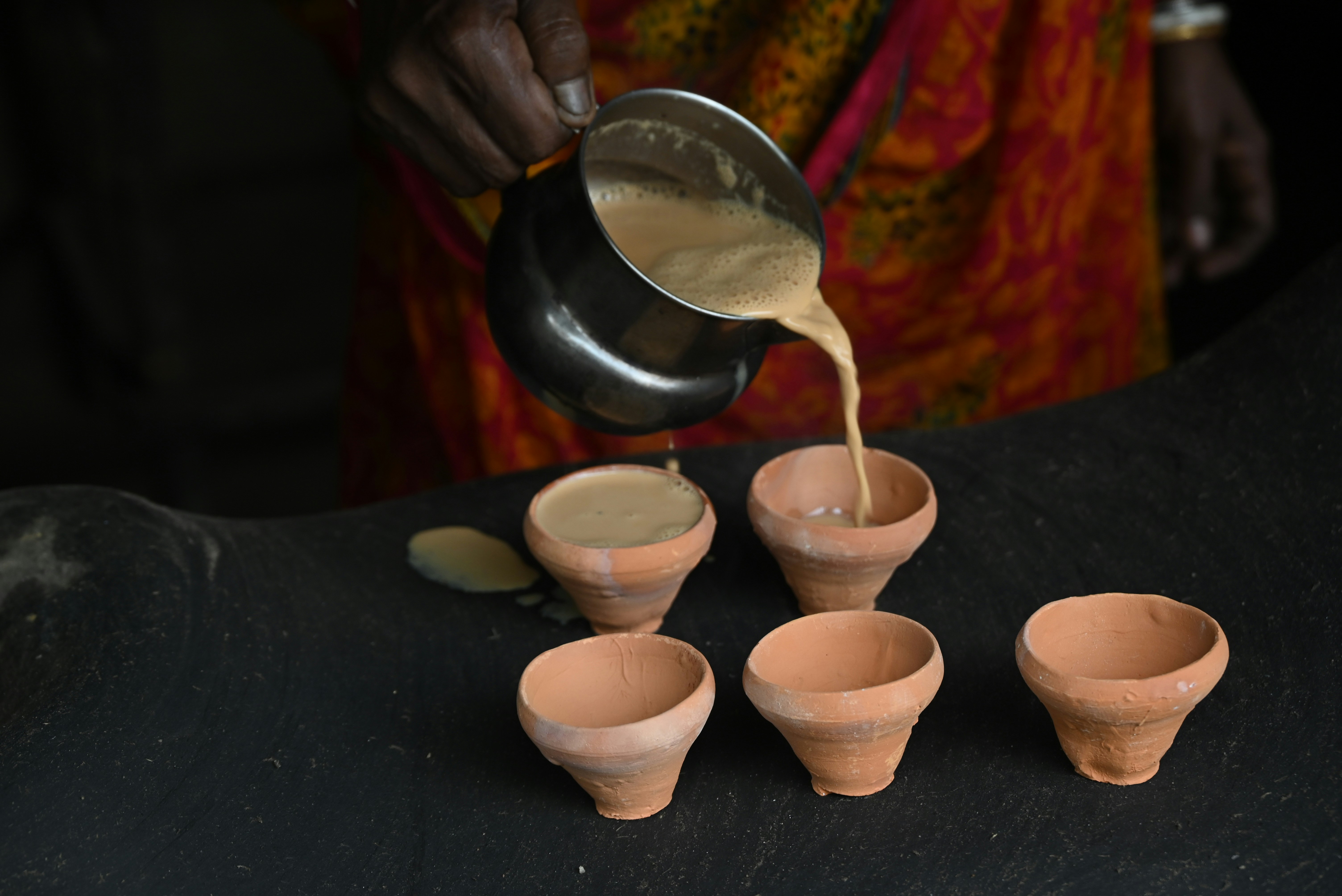
The Ethiopian coffee ceremony, known as "buna," is far more than a method of preparing coffee—it is a ritual of hospitality, community, and cultural identity. This ancient tradition, which can take up to two hours, transforms coffee preparation into a meditative, social experience that celebrates Ethiopia's status as the birthplace of coffee.
The Ritual Process
The ceremony begins with the host washing green coffee beans, then roasting them in a pan over a small charcoal stove. The roasting process fills the air with aromatic smoke, and guests are invited to waft the smoke toward themselves, inhaling the fragrance as an integral part of the experience. The beans are ground by hand using a mortar and pestle, creating a coarse powder that will be brewed in a traditional clay pot called a jebena.
The coffee is brewed three times, with each round called "abol," "tona," and "baraka" (blessing). Each serving becomes progressively weaker, but the ritual continues, emphasizing the social aspect over mere consumption. The ceremony is typically performed by women, passed down through generations as a form of cultural preservation.
Cultural Significance
The coffee ceremony serves multiple functions in Ethiopian culture. It is a gesture of hospitality, offered to guests as a sign of welcome and respect. It creates space for conversation and community bonding. It also serves as a daily ritual that structures time and provides moments of reflection and connection.
Final Assessment
The Ethiopian coffee ceremony represents coffee culture at its most profound, where preparation becomes ritual and consumption becomes communion. This tradition reminds us that coffee is not just a beverage but a medium for human connection, cultural expression, and spiritual practice.