Regional Pasta Traditions
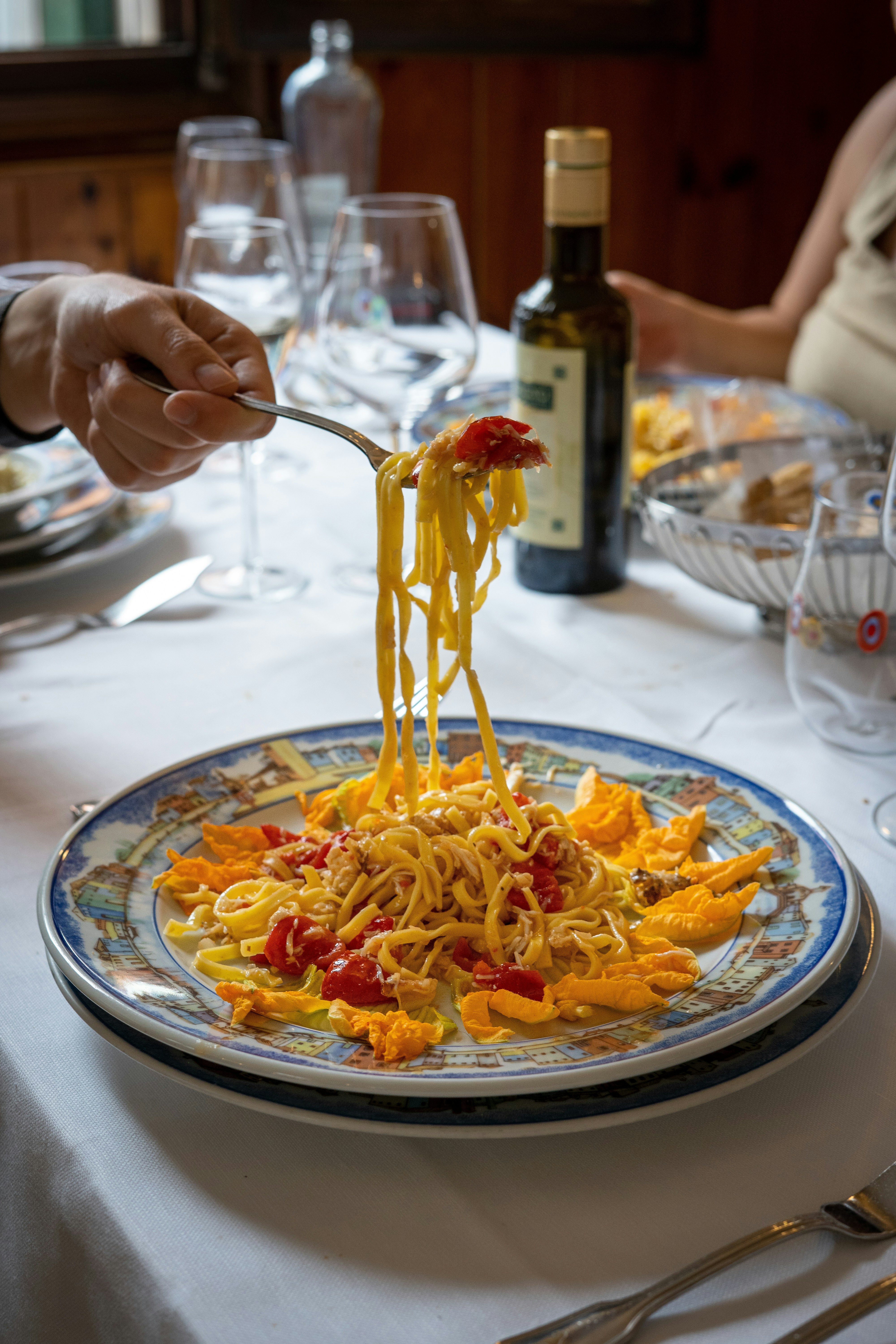
Italy's pasta traditions are as diverse as its regions, with each area developing unique shapes, techniques, and sauce pairings that reflect local ingredients, climate, and cultural history. From the hand-rolled orecchiette of Puglia to the delicate filled pastas of Emilia-Romagna, regional pasta represents one of Italy's greatest culinary contributions.
The Diversity of Italian Pasta
Italy boasts over 300 documented pasta shapes, each with its own history, purpose, and ideal sauce pairing. This diversity reflects not just regional preferences but also the ingenuity of Italian cooks who adapted pasta to local ingredients and cooking methods. Understanding these regional variations provides insight into Italian culinary culture and the principles that guide pasta preparation.
Northern Italy: Rich Sauces and Egg Pasta
Northern Italy, particularly Emilia-Romagna, is renowned for egg-based pasta dough, which creates richer, more tender noodles. This region gave birth to tagliatelle, tortellini, and lasagna—pasta shapes designed to hold rich, meat-based sauces. The tradition of filled pasta, or pasta ripiena, reaches its pinnacle here, with tortellini and cappelletti representing centuries of refinement.
The sauces of the north are often cream-based or feature butter, reflecting the region's dairy traditions. Tagliatelle al ragù (the authentic version of what many know as "spaghetti bolognese") demonstrates how pasta shape and sauce are carefully matched—the wide, flat noodles are perfect for clinging to the rich, slow-cooked meat sauce.
Central Italy: Simple Elegance
Central Italy, including Tuscany and Lazio, favors simpler preparations that highlight quality ingredients. Pasta all'uovo (egg pasta) and pasta all'acqua (water-based pasta) coexist here, with shapes like pici (hand-rolled thick spaghetti from Siena) and bucatini (hollow spaghetti from Rome) representing regional specialties.
The sauces are often tomato-based or feature fresh herbs and olive oil. Cacio e pepe, a Roman classic, demonstrates how simple ingredients—pecorino cheese and black pepper—can create extraordinary flavor when combined with the right pasta shape and technique.
Southern Italy: Durum Wheat and Tradition
Southern Italy, particularly Puglia and Campania, specializes in durum wheat pasta, which creates firmer, more resilient noodles. Orecchiette (little ears) from Puglia are hand-shaped using a technique passed down through generations. The shape's concave center is perfect for catching chunky sauces, particularly those featuring broccoli rabe or meat.
The south's pasta traditions often reflect the region's agricultural history and the need to create satisfying meals from simple, available ingredients. Shapes like cavatelli, strascinati, and trofie each tell a story of local innovation and adaptation.
The Art of Pasta Making
Traditional pasta making is a craft that requires understanding of flour types, hydration levels, and technique. The choice between "00" flour and semolina, the ratio of eggs to flour, and the kneading and resting times all affect the final texture and flavor. Hand-rolled pasta, while labor-intensive, creates textures that machine-made pasta cannot replicate.
Final Assessment
Italy's regional pasta traditions represent a culinary heritage that continues to evolve while maintaining deep connections to place and tradition. Each region's approach to pasta reflects its history, ingredients, and cultural values, creating a diverse landscape of shapes, techniques, and flavors that celebrate both innovation and tradition.