French Patisserie Excellence
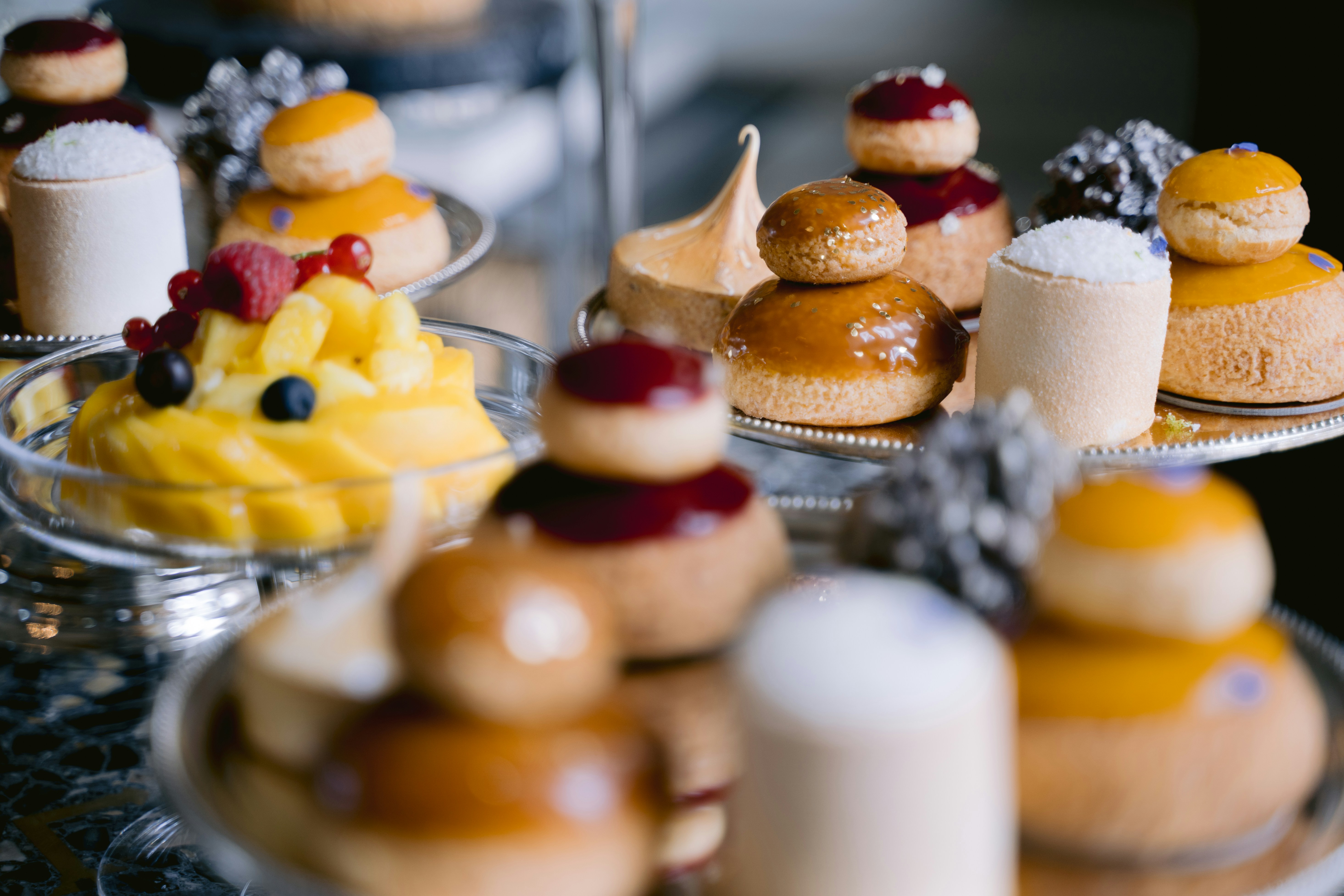
French patisserie represents the pinnacle of pastry arts, where science meets artistry in creations that are as beautiful as they are delicious. From the flaky layers of a perfect croissant to the delicate shells of macarons and the elegant structure of an éclair, French patisserie demands precision, patience, and an understanding of both chemistry and aesthetics.
The Art of Laminated Dough
The croissant, perhaps the most iconic French pastry, exemplifies the complexity of French patisserie. Creating the perfect croissant requires mastering laminated dough—a process of repeatedly folding butter into dough to create hundreds of thin layers. When baked, these layers create the characteristic flaky, buttery texture that defines an excellent croissant.
The process is deceptively simple in theory but challenging in practice. The butter must be at the correct temperature—pliable but not melting. The dough must be rolled precisely, with each fold creating more layers. The final proofing must be timed perfectly, allowing the yeast to develop flavor while maintaining the dough's structure. The baking requires precise temperature control to achieve the golden color and crisp exterior while ensuring the interior remains tender and airy.
The Science of Macarons
Macarons, those delicate almond meringue cookies, represent one of patisserie's greatest challenges. The process requires perfect meringue—beaten to the exact right consistency, with sugar syrup cooked to precise temperature. The almond flour must be ground finely enough to create smooth shells but not so fine that it loses its character.
The "macaronage" technique—folding the meringue into the almond mixture—is critical. Under-mix, and the batter will be too stiff, creating cracked shells. Over-mix, and the batter will be too loose, resulting in flat, spread-out cookies. The perfect macaron has a smooth, shiny shell, a delicate "foot" at the base, and a texture that is crisp on the outside and slightly chewy within.
Éclairs and Choux Pastry
Choux pastry, the foundation of éclairs and profiteroles, requires understanding the science of steam. The dough is cooked on the stovetop before baking, creating a paste that, when baked, uses steam to puff dramatically. The high moisture content and egg proteins create structure, while the steam creates the hollow interior perfect for filling.
Modern éclairs showcase both technical skill and artistic creativity. The choux must be piped uniformly, baked to achieve the perfect golden color and crisp exterior, then filled with creams that balance sweetness and flavor. The glazing requires precision and artistry, creating finishes that are both beautiful and flavorful.
Ingredient Quality and Sourcing
French patisserie demands the highest quality ingredients. European butter, with its higher fat content and complex flavor, is essential for laminated pastries. French flour, with its specific protein content and gluten development, creates the texture that defines French pastries. Vanilla, chocolate, and other flavorings must be of exceptional quality, as there's nowhere to hide in these delicate creations.
The establishment we visited sources ingredients with remarkable care, maintaining relationships with specialty suppliers and often importing directly from France. This commitment to ingredient quality is evident in every bite—the butter flavor in the croissants, the depth of the chocolate in the éclairs, the purity of the vanilla in the cream fillings.
Technique and Training
Mastering French patisserie requires years of training. Many pastry chefs study in France, learning traditional techniques that have been refined over centuries. The training emphasizes precision, patience, and an understanding of the science behind each technique.
The pastry chef at this establishment demonstrates this mastery. Each croissant is perfectly shaped, with consistent layers and ideal color. Each macaron has the characteristic smooth shell and delicate foot. Each éclair is uniform in size and shape, with fillings that are perfectly balanced. This consistency, achieved through handcrafting rather than mass production, is remarkable.
Modern Innovations
While respecting traditional techniques, modern French patisserie also embraces innovation. New flavor combinations, contemporary presentations, and subtle use of modern techniques enhance traditional pastries without compromising their essential character. The result is patisserie that honors tradition while remaining relevant to contemporary palates.
This establishment exemplifies this balance. Traditional pastries are executed flawlessly, while seasonal specials and creative interpretations demonstrate the chef's artistic vision. The respect for tradition is evident, but so is the willingness to innovate within those boundaries.
Final Assessment
French patisserie represents one of the world's most refined culinary arts, demanding both scientific understanding and artistic sensibility. The establishment we visited demonstrates mastery of this craft, creating pastries that are technically perfect, visually stunning, and deliciously memorable.
For anyone seeking to understand what exceptional patisserie should be, this establishment provides an exemplary education. The combination of traditional technique, quality ingredients, and artistic vision creates an experience that celebrates one of France's greatest culinary contributions to the world.