Global Street Food Culture
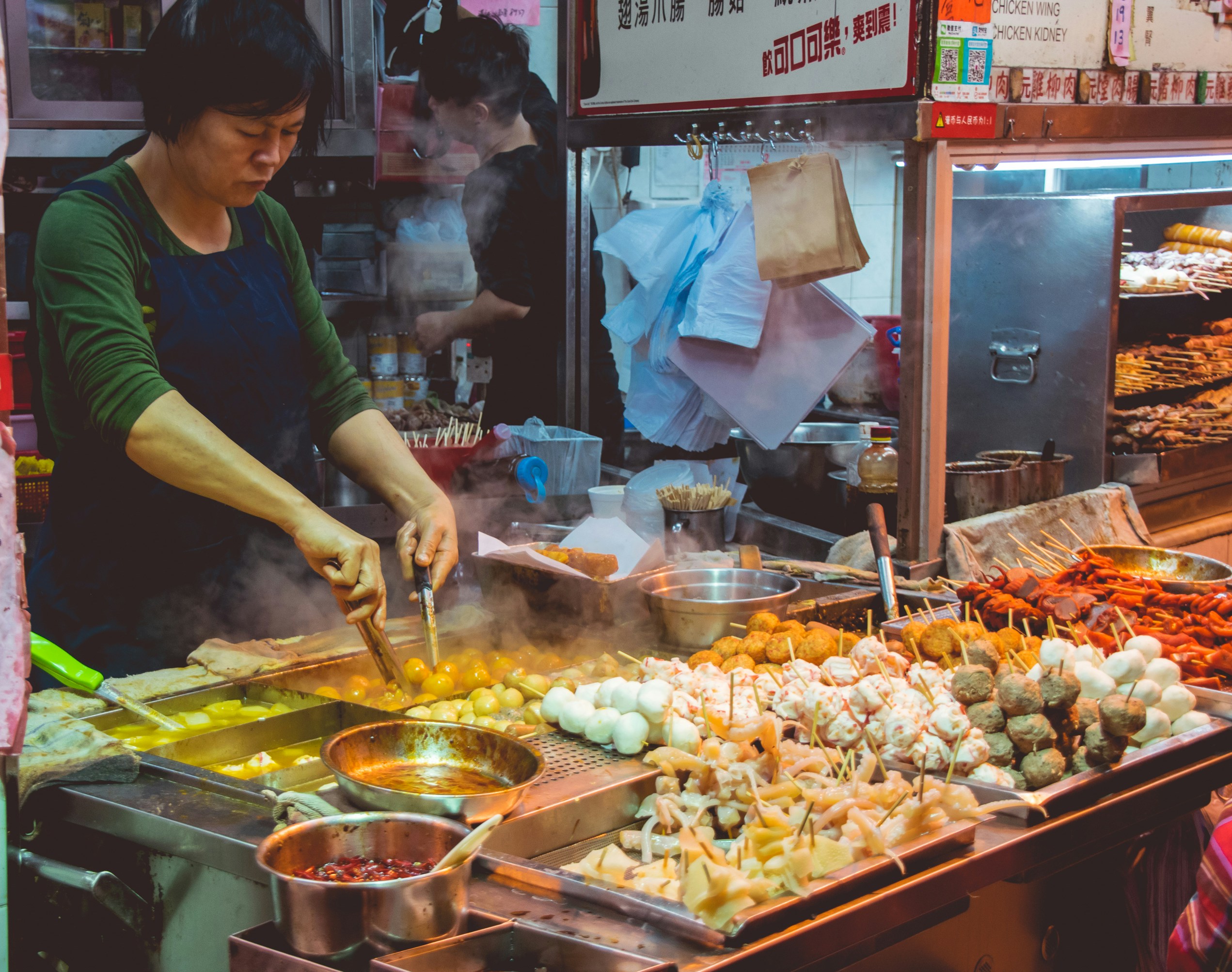
Street food represents the most authentic expression of a culture's culinary identity. From the sizzling woks of Bangkok's night markets to the taco stands of Mexico City, street food vendors preserve traditional recipes, techniques, and flavors that have been passed down through generations. These humble stalls and carts offer some of the world's most delicious and culturally significant food.
Bangkok's Night Markets
Bangkok's street food scene is legendary, with vendors operating from early morning until late night, serving everything from pad Thai to som tam (papaya salad) to grilled satay. The city's night markets come alive after sunset, with vendors setting up stalls that transform empty spaces into vibrant food destinations.
The skill of these vendors is remarkable. In cramped spaces with minimal equipment, they produce dishes of incredible complexity and flavor. The wok hei—the "breath of the wok"—achieved through high-heat cooking creates flavors that cannot be replicated in home kitchens. The balance of sweet, sour, salty, and spicy in Thai street food represents generations of refinement.
Mexican Taquerías
In Mexico, street food is not just food—it's a way of life. Taquerías, whether stationary stalls or mobile carts, serve tacos that are simple in concept but complex in execution. The tortillas must be fresh, the meat properly seasoned and cooked, the salsas balanced, and the garnishes fresh and vibrant.
The best taquerías develop loyal followings, with customers returning daily for their favorite combinations. The vendors know their regulars, remembering preferences and creating a sense of community around their stalls. This personal connection, combined with exceptional food, creates an experience that goes beyond mere sustenance.
Indian Street Food Diversity
India's street food scene is incredibly diverse, reflecting the country's regional variations. In Mumbai, vada pav—a spiced potato fritter in a bun—is the city's signature street food. In Delhi, chaat vendors create complex combinations of crispy elements, chutneys, and spices. In Kolkata, puchka (pani puri) vendors serve hollow puris filled with spiced water and chickpeas.
Each region has its specialties, developed over centuries and refined by generations of vendors. The techniques are often simple—deep frying, grilling, steaming—but the results are extraordinary, with layers of flavor and texture that create memorable eating experiences.
Technique and Tradition
Street food vendors often work with recipes and techniques passed down through families. These are not written recipes but learned through observation and practice. The knowledge is experiential, refined through years of repetition and adjustment. This oral tradition preserves culinary heritage in ways that written recipes cannot.
The equipment used is often simple but perfectly suited to the task. A well-seasoned wok, a charcoal grill, a deep fryer—these tools, when used by skilled hands, produce results that sophisticated restaurant equipment cannot match. The limitations of street food preparation often lead to innovation and refinement.
Cultural Significance
Street food serves multiple functions beyond nourishment. It provides affordable meals for workers, students, and families. It creates gathering places where communities come together. It preserves cultural traditions and provides economic opportunities for vendors. In many cities, street food is essential to the urban fabric.
The best street food vendors become local institutions, with their stalls serving as landmarks and meeting points. Their food becomes part of the city's identity, with visitors seeking out specific vendors as essential experiences. This cultural significance elevates street food beyond mere convenience food.
Modern Street Food Evolution
In recent years, street food has gained recognition from the culinary world. Food trucks in Western cities bring street food concepts to new audiences. Pop-up markets celebrate street food vendors. Chefs study street food techniques and incorporate them into restaurant menus.
However, the essence of street food remains in its accessibility, authenticity, and connection to place. The best street food experiences are still found at the original stalls, where tradition, skill, and community come together to create something special.
Final Assessment
Global street food culture represents one of the world's most vibrant and authentic culinary traditions. From the night markets of Asia to the food carts of Latin America, street food vendors preserve and celebrate local flavors, techniques, and cultural identity.
Exploring street food offers opportunities to connect with cultures, support local economies, and experience some of the world's most delicious food. The best street food experiences combine exceptional flavors with cultural immersion, creating memories that last long after the meal is finished.